How to Spot the Difference Between Old and New Water Damage
How to Spot the Difference Between Old and New Water Damage
Water damage can strike unexpectedly, leaving behind a trail of issues that can escalate quickly. In Galveston, where humidity levels can soar, knowing how to differentiate between old and new water damage is crucial for homeowners. This guide will equip you with the knowledge to detect these signs, ensuring timely and effective restoration.
Why Identifying Water Damage Matters in Galveston
Did you know that untreated water damage can compromise the structural integrity of your home? Not only does it lead to expensive repairs, but it can also create health hazards from mold and mildew. Learning to identify the difference between old and new water damage could save homeowners in Galveston from unnecessary stress.
Recognizing New Water Damage: Key Indicators
When water damage occurs, immediate action is often required. Here are some signs that indicate you’re dealing with new water damage:
- Fresh Stains: Look for damp spots, discoloration, or water stains that appear bright or deep in color. These often indicate recent water exposure.
- Odor: A musty or damp smell can be a clear sign of new water damage, especially if accompanied by visible signs.
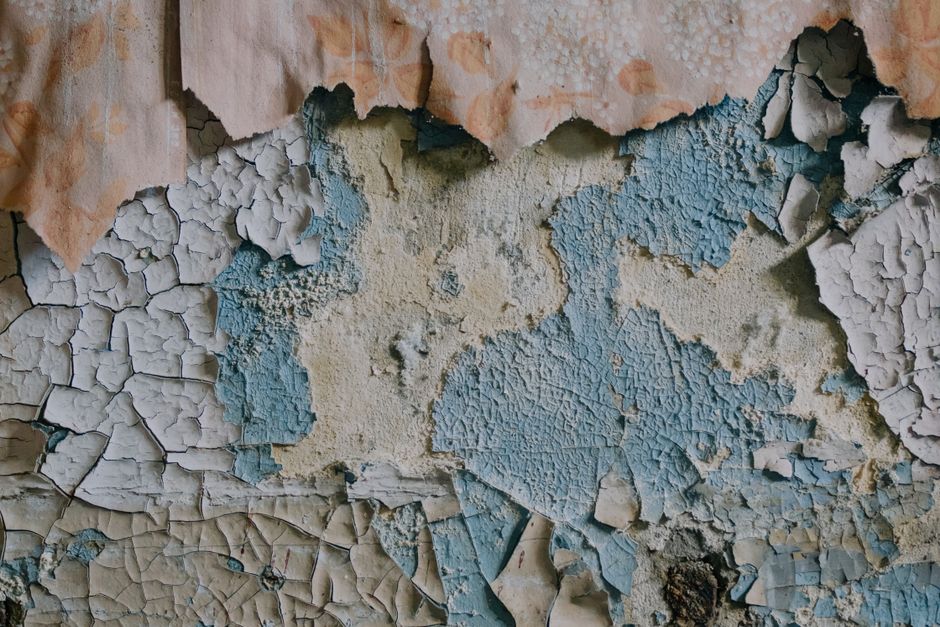
- Peeling Paint or Wallpaper: If you notice bubbling or stripping, it’s often a response to water infiltration that just occurred.
Understanding these indicators can help Galveston residents take prompt action to mitigate damage before it worsens.
Understanding Old Water Damage: What to Look For
Old water damage presents a different set of signs. It’s important to know what to look for:
- Faded Stains: Over time, water stains may fade or turn brown, indicating that the moisture issue has been present for a while.
- Warped Surfaces: Wood floors, paneling, and drywall can become warped as they age, showing that water exposure was long-term.
- Mold Growth: While mold can also occur with new damage, older mold colonies tend to be more established and darker.
For homeowners in Galveston, recognizing these signs can lead to better decision-making for repairs and restorations.
Comparing New Vs. Old Water Damage
Here’s a quick comparison to clarify the differences:
| Feature | New Water Damage | Old Water Damage | |---------------------|-----------------------------------|---------------------------------| | Color of Stains | Bright or deep discoloration | Faded or brownish stains | | Surface Texture | Damp, soft, or newly peeled paint | Warped or cracked surfaces | | Odor | Musty or fresh damp smell | Established and stale odor | | Mold Appearance | Light and spreading | Dark and entrenched colonies |
In a coastal area like Galveston, understanding these differences can help you take proactive measures.
The Risks of Ignoring Water Damage in Galveston
Failing to address water damage, whether old or new, can lead to several long-term issues:
- Structural Damage: Ongoing water exposure can weaken walls, ceilings, and foundations.
- Health Hazards: Mold can lead to respiratory problems and allergies.
- Increased Repair Costs: The longer you wait, the more expensive the repairs may become.
The Galveston community must stay vigilant, especially considering our unique climate and environmental factors.
When to Call Galveston Water Damage Restoration Pros
If you suspect water damage in your home, don’t hesitate to seek professional help. Here are some scenarios when you should contact us:
- Visible water stains appear on walls or ceilings.
- You notice a sudden increase in humidity or a musty smell.
- You’ve experienced flooding or a significant leak recently.
Prompt assessment and restoration can often salvage your property's integrity and safety.
Galveston Water Damage Restoration Pros are here to assist with any questions or concerns. You can reach us at (877) 489-0270 for expert support today. Don't let water damage linger; let's restore your home together.